
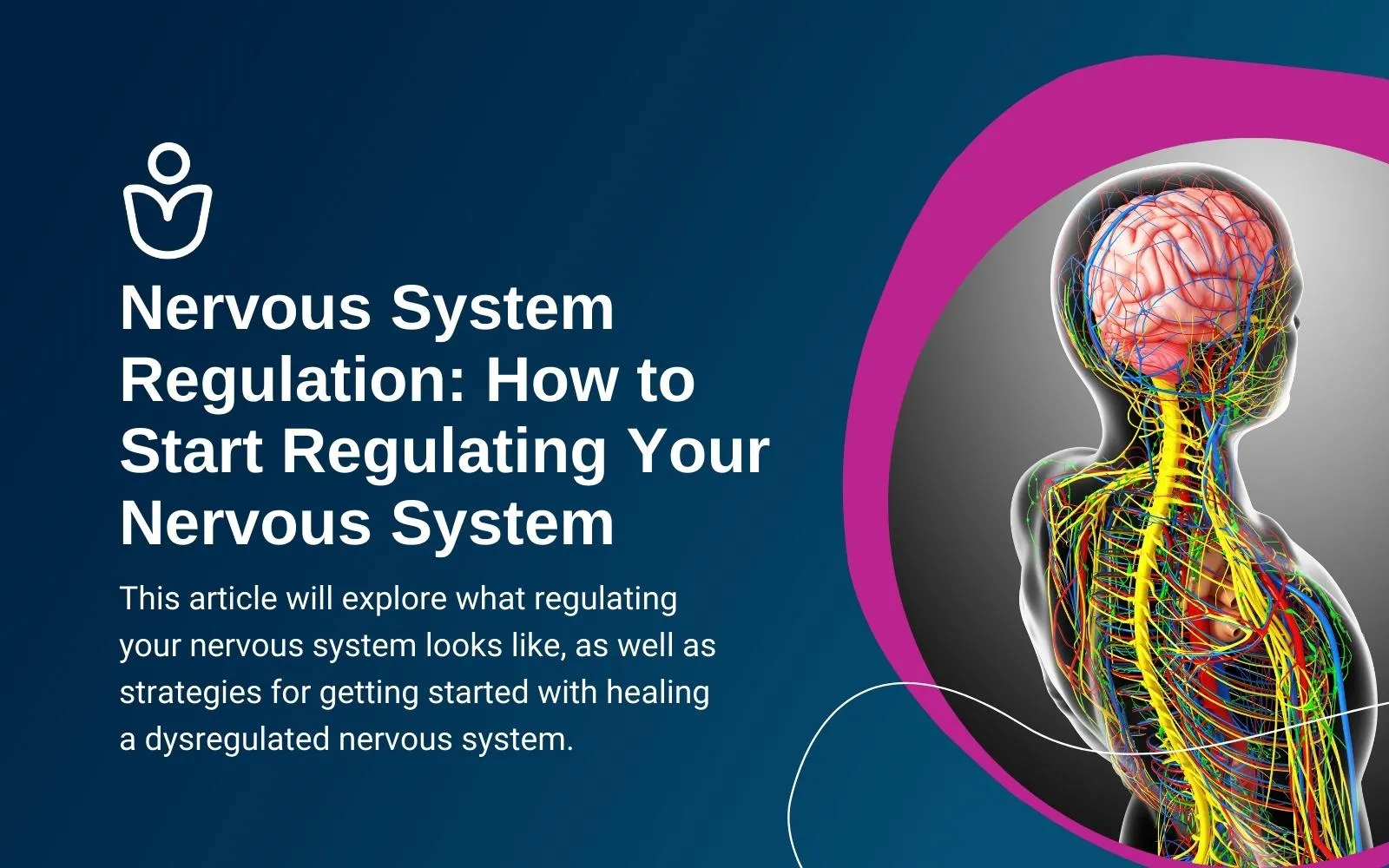
Nervous system regulation is one of the most effective — and misunderstood — ways to reduce anxiety, stress, and emotional overwhelm. If you feel constantly on edge, stuck in fight-or-flight, or anxious “for no reason,” your nervous system may be dysregulated.
The good news? Your body is not broken. Your nervous system can be regulated and retrained — naturally and safely.
In this article, you’ll learn what nervous system regulation is, why it matters for anxiety, and practical techniques you can start using today.

What Is Nervous System Regulation?
Nervous system regulation is the ability of your body to move out of stress responses (fight, flight, or freeze) and return to a state of calm, safety, and balance.
Your nervous system has two main branches:
- Sympathetic nervous system – activates stress and survival responses
- Parasympathetic nervous system – promotes calm, rest, and recovery
When your nervous system is regulated, these systems work flexibly. When it’s dysregulated, your body stays stuck in survival mode — even when no danger is present.
Signs of a Dysregulated Nervous System Regulation
Many people experience nervous system dysregulation without realizing it. Common signs include:
- Constant anxiety or nervousness
- Feeling “on edge” all the time
- Overthinking or racing thoughts
- Fatigue mixed with restlessness
- Trouble sleeping or waking up anxious
- Digestive issues or muscle tension
- Feeling emotionally numb or overwhelmed
If you’ve ever thought, “My body feels anxious but my mind is calm,” this is a classic nervous system issue.
How Nervous System Regulation Causes Anxiety

Anxiety is not just a mental problem — it’s a body-based response.
When your nervous system perceives a lack of safety (due to stress, trauma, burnout, or chronic pressure), it keeps releasing stress hormones like cortisol and adrenaline. Over time, your body learns to stay alert as a default state.
This is why:
- Anxiety can appear “out of nowhere”
- Logic doesn’t always calm it
- Traditional coping methods sometimes fail
Regulating the nervous system focuses on calming the body first, which naturally calms the mind.
Benefits of Nervous System Regulation
When you consistently regulate your nervous system, you may notice:
- Reduced anxiety and panic
- Improved emotional regulation
- Better sleep and energy levels
- Less reactivity and overwhelm
- Increased focus and clarity
- A deeper sense of safety in your body
This is why nervous system regulation is a foundation for mental health, not a quick fix.
Nervous System Regulation Techniques That Actually Work
Below are evidence-informed, practical techniques you can start today.
1. Slow Breathing to Calm the Nervous System
Breathing directly influences the vagus nerve.
Try this:
- Inhale through your nose for 4 seconds
- Exhale slowly through your mouth for 6–8 seconds
- Repeat for 2–5 minutes
Longer exhales signal safety to the nervous system.
2. Somatic Exercises for Anxiety
Somatic (body-based) exercises release stored stress.
Examples:
- Gentle shaking of arms and legs
- Slow stretching with awareness
- Pressing feet into the ground while noticing sensation
These exercises help complete stress responses the body never finished.
3. Grounding Techniques
Grounding brings your nervous system into the present moment.
Simple grounding methods:
- Name 5 things you can see, 4 you can feel, 3 you can hear
- Hold something cold or textured
- Sit with your back supported and feet flat on the floor
4. Daily Nervous System Regulation Routines
Consistency matters more than intensity.
Helpful routines include:
- Morning sunlight exposure
- Gentle movement like walking or yoga
- Limiting overstimulation (caffeine, screens, multitasking)
- Evening wind-down rituals
Small daily actions create long-term regulation.

How Long Does It Take to Nervous System Regulation?
This depends on factors like:
- Chronic stress levels
- Past trauma
- Lifestyle and support systems
Some people feel relief immediately. For others, regulation is a gradual retraining process that takes weeks or months.
The key is safety, patience, and repetition — not forcing calm.
Nervous System Regulation Is Not About “Fixing” Yourself
Your nervous system adapted to protect you. Anxiety is not a failure — it’s a signal.
By learning to regulate your nervous system, you’re teaching your body that it’s safe again.
FAQ’s about Nervous System Regulation
What are the top 3 common nervous system disorders?
The three most common nervous system disorders worldwide are migraine, epilepsy, and stroke. Migraine causes recurring severe headaches and sensitivity to light or sound. Epilepsy involves repeated seizures from abnormal brain activity. Stroke occurs when blood flow to the brain is blocked or a vessel ruptures, damaging brain tissue.
How to fully reset your nervous system?
There is no instant reset button for the nervous system, but balance can be restored gradually. Quality sleep, slow breathing, regular exercise, sunlight exposure, healthy nutrition, and reducing caffeine help greatly. Meditation, therapy, and consistent routines calm the stress response and strengthen the parasympathetic “rest and digest” system over time.
What is the 3-3-3 rule for calming?
The 3-3-3 rule is a simple grounding method for anxiety. First, name three things you can see. Second, name three sounds you can hear. Third, move three parts of your body. This shifts attention away from fear, activates the rational brain, and helps calm the nervous system within minutes.
What are the symptoms of a damaged nervous system?
Symptoms may include numbness, tingling, weakness, paralysis, tremors, poor balance, chronic pain, and vision or speech problems. Mental and emotional signs include memory loss, confusion, slow thinking, mood changes, anxiety, or depression. Severity depends on which nerves or brain areas are affected and the underlying cause.
Can you detox your nervous system?
There is no scientific evidence for “detoxing” the nervous system using juices or supplements. The body naturally removes toxins through the liver, kidneys, lungs, and lymphatic system. However, reducing alcohol, smoking, drugs, and processed foods, drinking water, sleeping well, and managing stress supports healthy nervous system function.
How to repair a dysregulated nervous system?
Repair focuses on restoring safety and balance. Practice slow breathing, regular sleep, daily walking or light exercise, mindfulness, and healthy eating with omega-3 fats. Therapy, especially trauma-informed approaches, helps greatly. Reducing chronic stress and building predictable routines allow the brain and autonomic nervous system to gradually re-regulate.
How is the nervous system regulated?
Regulation happens through the autonomic nervous system: the sympathetic branch activates fight-or-flight, while the parasympathetic branch supports rest and digestion. The brain, hormones, and vagus nerve coordinate this balance. Sleep, nutrition, emotional safety, physical activity, and social connection strengthen healthy regulation and stress recovery.
How do you know when your nervous system is dysregulated?
Common signs include constant anxiety, panic attacks, irritability, feeling “wired but tired,” poor sleep, digestive problems, heart palpitations, brain fog, and emotional overreactions. You may struggle to relax or feel safe even when nothing is wrong. These symptoms often worsen with chronic stress or unresolved trauma.
What are 5 signs your brain is in trouble?
Warning signs include persistent memory loss, confusion or disorientation, difficulty speaking or understanding speech, sudden personality or behavior changes, and loss of coordination or vision. If these appear suddenly or worsen quickly, they may signal stroke, infection, or neurological disease and require immediate medical evaluation.
What is the 72-hour brain reset?
The “72-hour brain reset” is a wellness idea, not a medical treatment. It usually means three days of reduced stress, good sleep, healthy food, no alcohol, limited screens, light exercise, and meditation. It can temporarily improve focus and mood but does not cure neurological or mental health disorders.
What are three signs you need to detox?
Common signs people interpret as needing a “detox” include constant fatigue, brain fog, and frequent headaches or digestive problems. These usually reflect poor sleep, dehydration, stress, unhealthy diet, or alcohol use rather than toxin buildup. Improving lifestyle habits is more effective than commercial detox programs.

Final Thoughts
This is one of the most powerful tools for reducing anxiety naturally. When you calm the body, the mind follows.
You don’t need to eliminate stress completely — you need to build the capacity to return to calm.
That’s regulation.